**for English please scroll down**
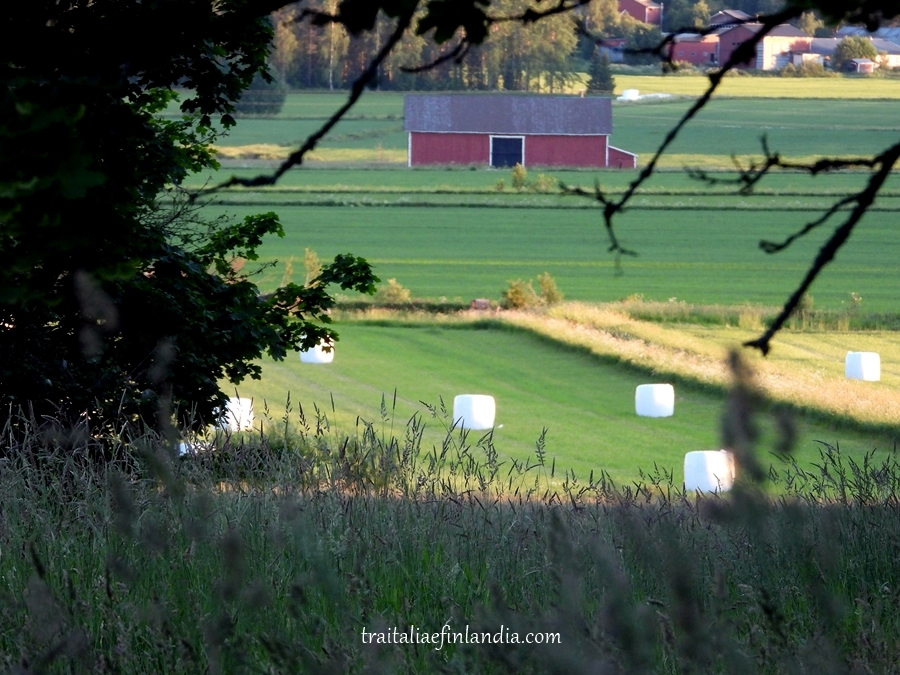
Le balle di fieno sono un classico dei paesaggi campestri finlandesi, non solo nella stagione dei raccolti: capita di vederne anche in inverno sui campi innevati.
Questo perche’ dal 1985 e’ iniziata la tecnica di tagliare il fieno quando non e’ al 100% dell’appassimento, ma solo al 70, fasciandolo poi con fogli di polietilene che costituiscono ciascuno dei mini-silos, dove il fieno viene conservato sfruttando il principio della fermentazione in ambiente anaerobico. Naturalmente questa tecnica e’ piu’ costosa della raccolta classica del fieno con essiccazione nei silos, ma presenta i vantaggi di poter spostare le balle in vari punti dell’azienda anche lontani e di non dover disporre di silos giganteschi. I dati ci dicono che spesso gli animali lo preferiscono al fieno seccato sul campo, in quanto lo stare nelle rotoballe avvolte in plastica fa sviluppare al prodotto aromi particolarmente graditi. (Fonte: Laore Sadegna).
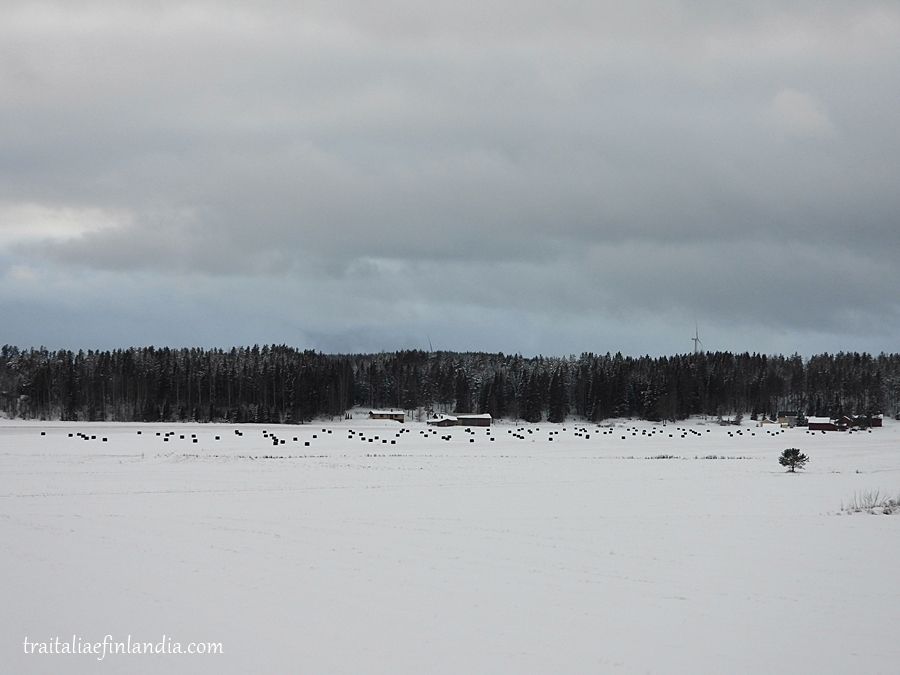
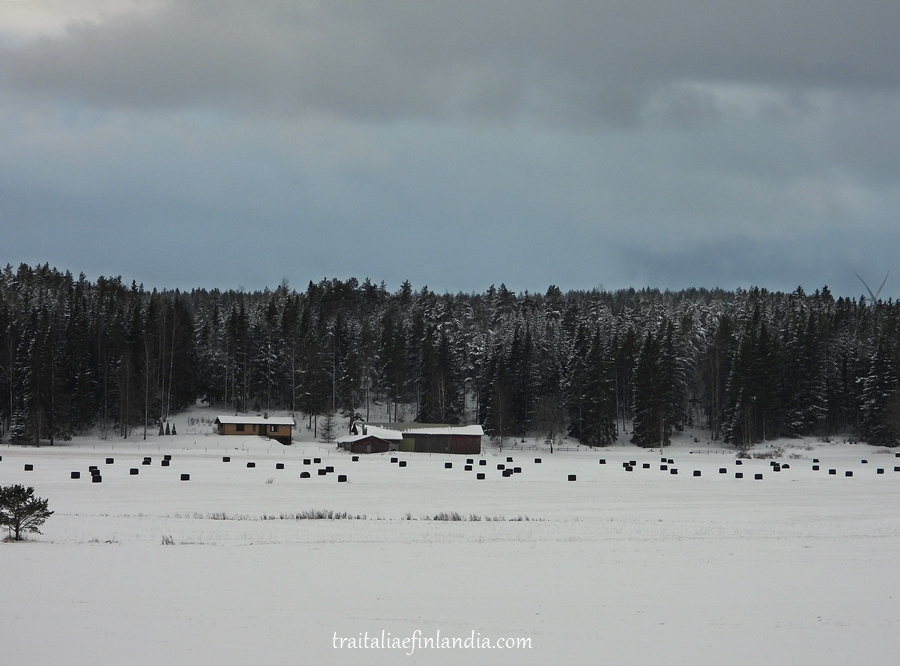
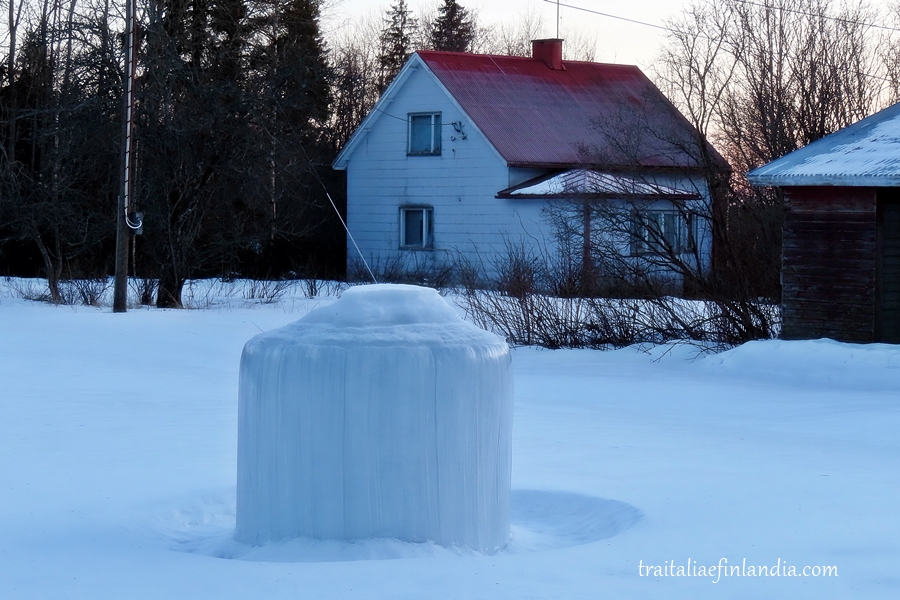
A questa latitudine il fieno viene raccolto solo una volta, non quattro come nel nord Italia. Anche da questo dato si evince quanto sia stata difficile qui la vita nel corso dei secoli.
Un altro vantaggio della fasciatura delle balle e’ il non dover stare troppo attenti al meteo e poter tagliare il fieno con piu’ liberta’: molto importante nel nord Europa.
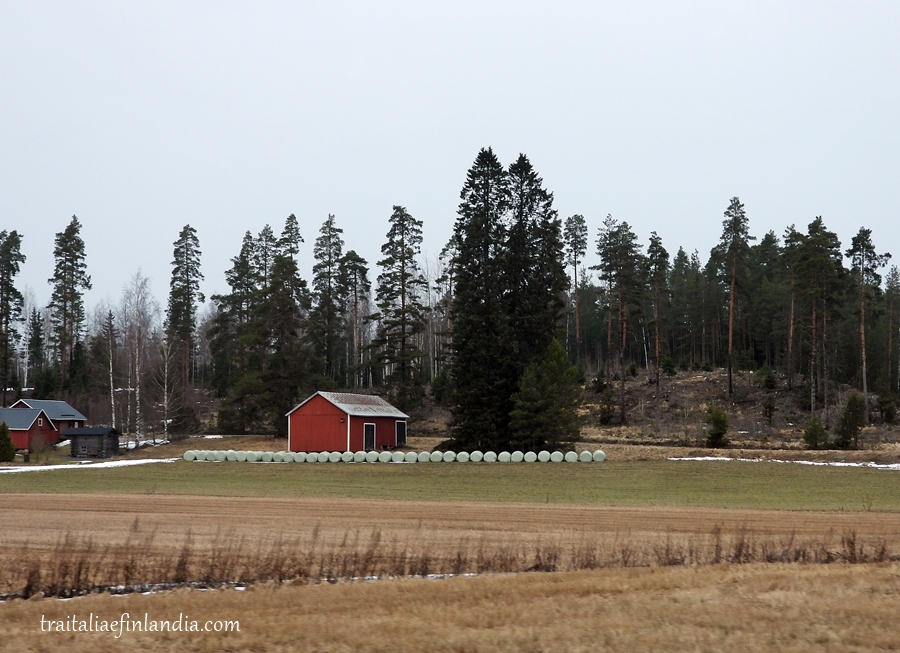
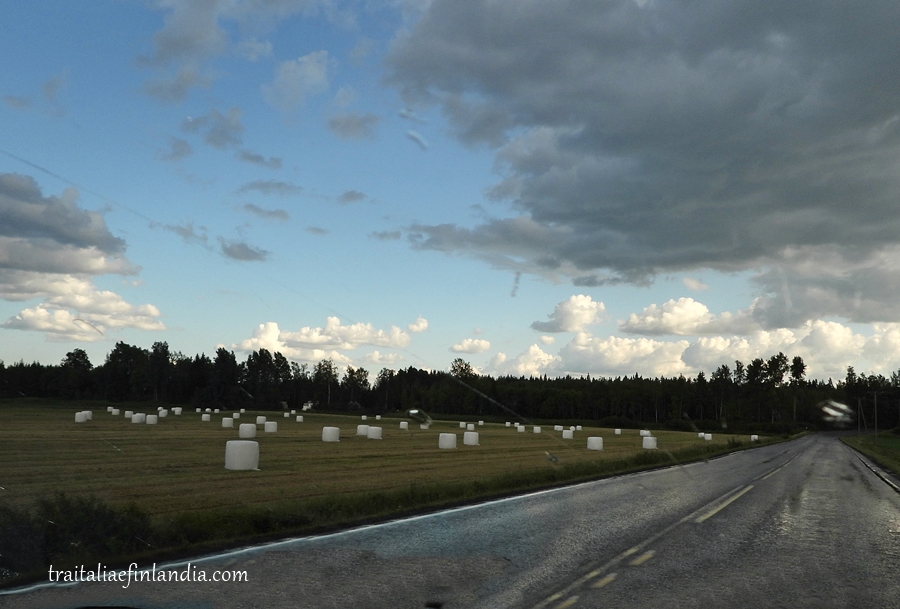
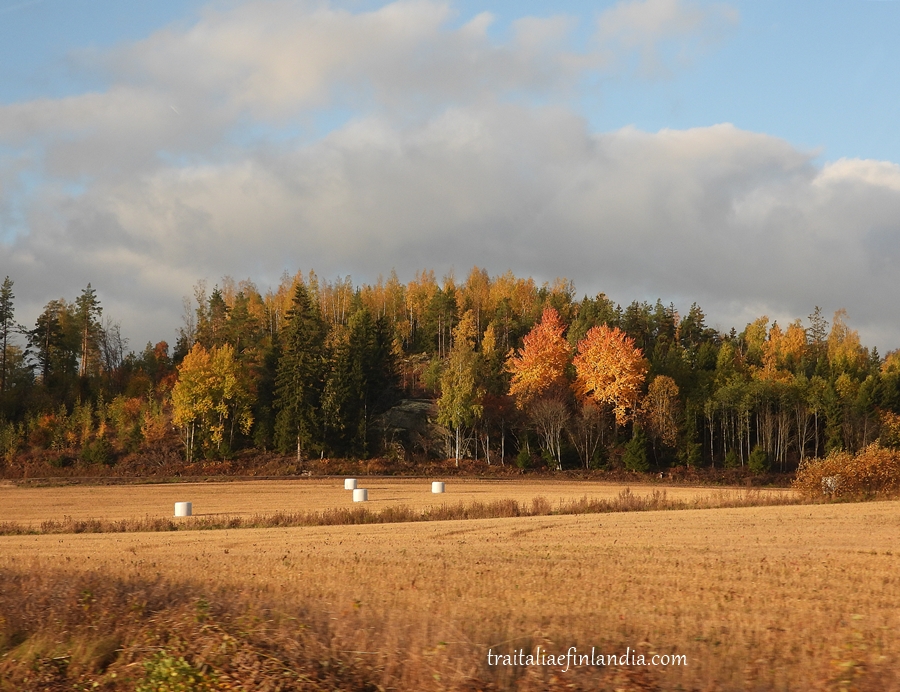
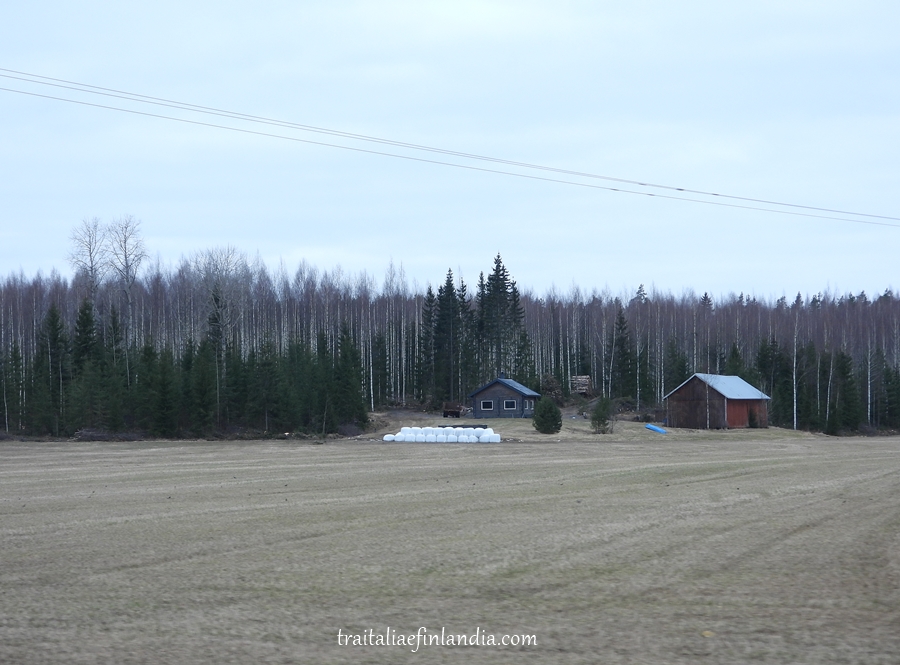
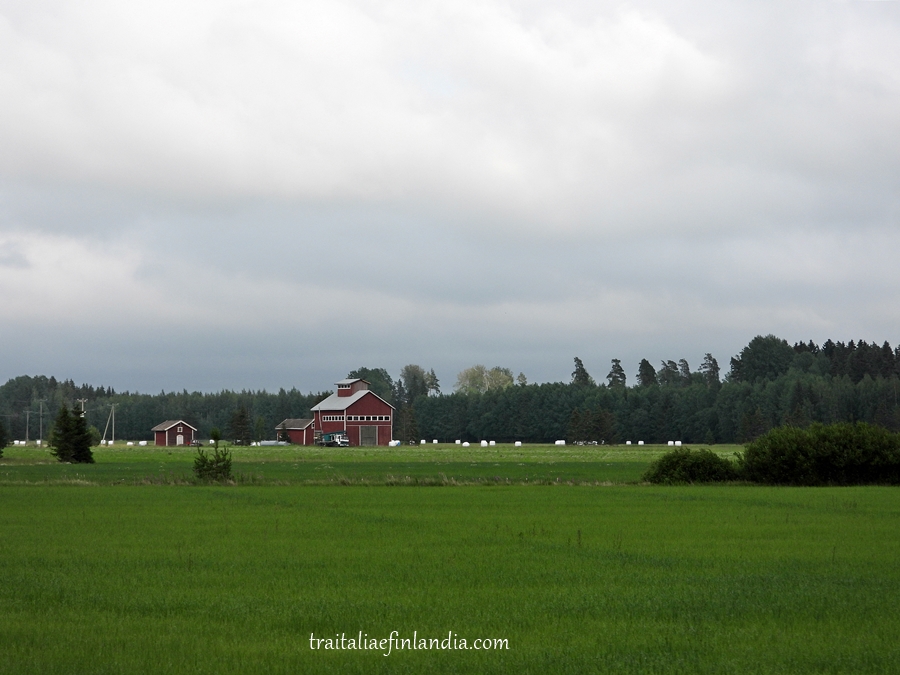
Four Seasons with Bales.
Hay bales are a classic view in the Finnish countryside landscapes, not only in the harvest season: you can also see them in winter on snow-covered fields.
This is because since 1985 the technique of cutting the hay when it is not 100% dried, but only 70% and then wrapping it in polyethylene sheets has been developed. Each bale thus becomes a mini-silos, where the hay is stored by the principle of fermentation in an anaerobic environment. Naturally this technique is more expensive than the classic hay harvesting with silos-drying, but it has advantages: the possibility to move the bales to various points of the farm and not having to have gigantic silos. The data tell us that animals often prefer it to hay dried in the field, as being in round bales wrapped in plastic makes the product develop particularly pleasant aromas. (Source: Laore Sadegna).
At this latitude hay is harvested only once, not four times as in northern Italy. This data also shows how difficult life has been here over the centuries.
Another advantage of baling in polyethylene is that you don’t have to be too careful about the weather and can cut the hay more freely: very important in Northern Europe.
****
 Tra Italia e Finlandia
This was new information about bales to me. I’m such a city girl!
"Mi piace"Piace a 1 persona
💐💐💐
"Mi piace"Piace a 1 persona
🤎🤎🤎🩵🩵🩵
"Mi piace"Piace a 1 persona
Google translates “dell’appassimento” as “wilted,” but that doesn’t really make sense here. An alternative is “dried.” Is that right? In that case the farmers don’t have to worry about the hay being completely dry. Very interesting, I didn’t know that!
"Mi piace"Piace a 1 persona
Interesting facts
and Vivaldi’s “Quattro stagioni” are also not bad
"Mi piace"Piace a 1 persona
…Luisella, these are GORGEOUS four season images!!!
"Mi piace"Piace a 1 persona
Thank you so much, Tom! 😃
"Mi piace""Mi piace"
Thank you. I confirm, they are not so bad! 🎼🎶
"Mi piace""Mi piace"
I think I will correct my text, to make it more clear. Thanks. Glad you like my post. All the best! 😊
"Mi piace"Piace a 1 persona
Merci. 😊
"Mi piace""Mi piace"
Merci. 😊
"Mi piace"Piace a 1 persona
I have grown up in a farmhouse, but in those times everything was different…so different.
"Mi piace"Piace a 1 persona
😍
"Mi piace""Mi piace"
Felice pomeriggio 😘😘😘
"Mi piace""Mi piace"
Bales of hay are a common site around here right now. Interesting to learn about the pleasant aroma the wrapped bales produce 😊
"Mi piace""Mi piace"
Schöne Bilder. 😊
"Mi piace"Piace a 1 persona
Lehmän munia. 😁
"Mi piace"Piace a 1 persona
This is the time of year for the white wrapped hay bales to begin appearing on the Canadian prairies, too. Interesting piece. I didn’t know that the animals prefer these bales.
"Mi piace"Piace a 2 people
Bello, bello!
"Mi piace"Piace a 1 persona
molto bello questo paesaggio che muta nelle stagioni, e anche molto simpatico il titolo che hai trovato 😁😁😁😁😁😉😊🤗👏
"Mi piace"Piace a 1 persona
Grazie mille, caro Max. 😉😄😄
"Mi piace"Piace a 1 persona
Actually I did not know it neither, but it was interesting to discover it. Thanks. 😊
"Mi piace"Piace a 1 persona
Grazie mille. 😊
"Mi piace"Piace a 1 persona
Dankeschön. 😊
"Mi piace""Mi piace"
Finnish countryside looks very similar to the countryside in the county I live in, in Ohio, USA!
"Mi piace"Piace a 1 persona
😄😄😄
"Mi piace""Mi piace"
Interesting. 😊 Thanks.
"Mi piace"Piace a 1 persona
They put them in the round bales with covers here in New York. I wonder if it helps keep the critters out as well. I know mice can chew through many things.
"Mi piace"Piace a 1 persona
It is a good question. It depends on how interesting mice find a hay bale…
"Mi piace"Piace a 1 persona
Così interessante. Grazie!
"Mi piace"Piace a 1 persona
Grazie a voi. 👋😃
"Mi piace""Mi piace"