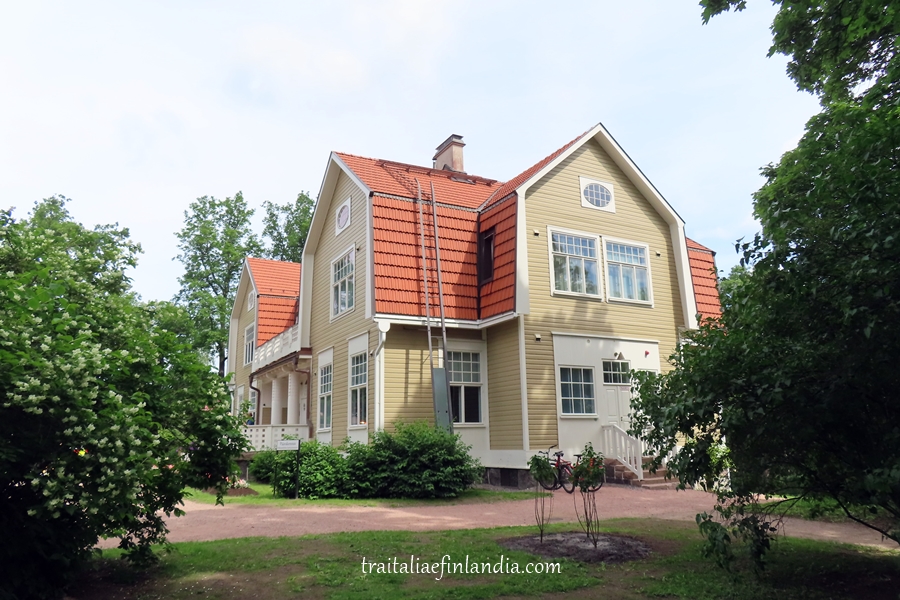
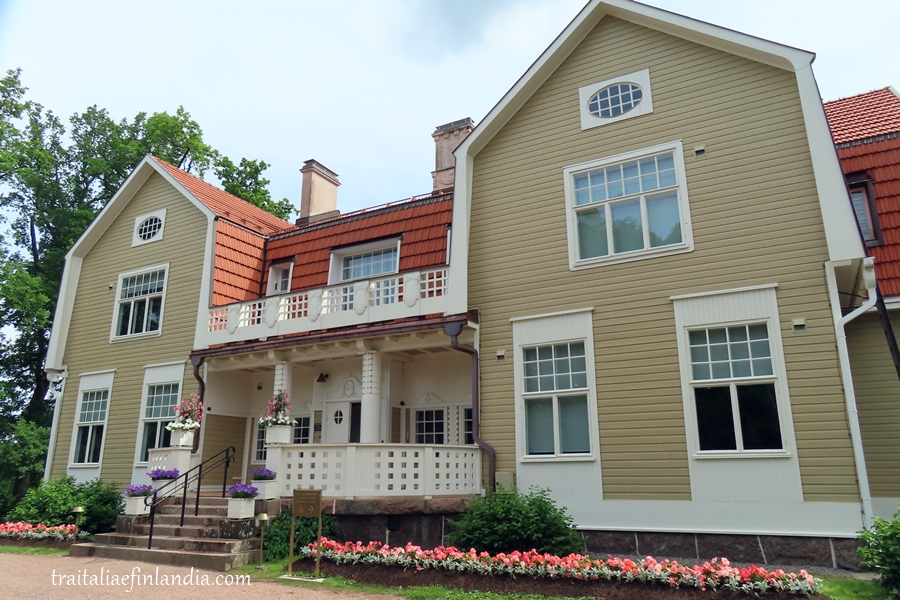
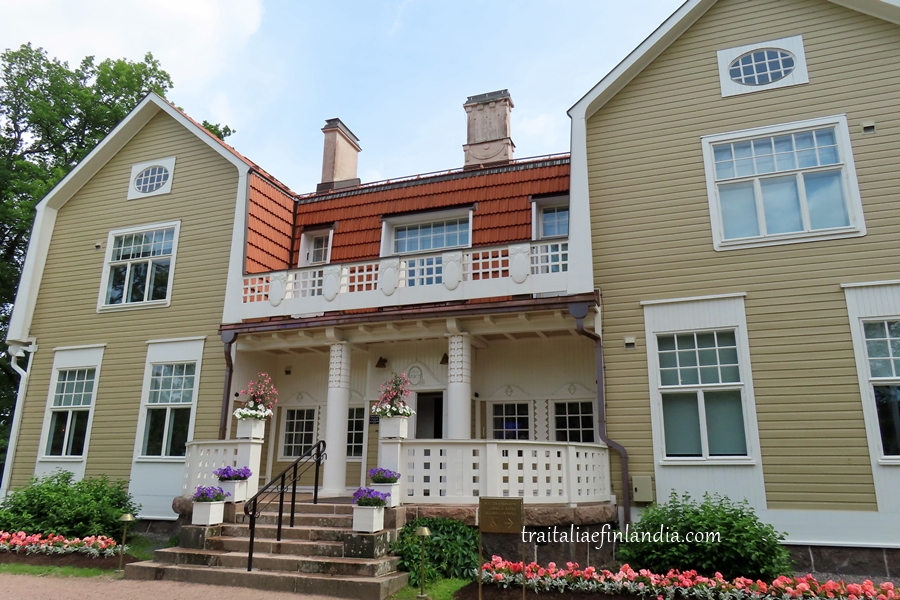
“Jugendhelmi”, cioe’ letteralmente: “Perla del Liberty” e’ stata definita questa casa padronale che si chiama invero: Håkansböle Kartano e si trova a Vantaa, un sobborgo di Helsinki, poco lontano dall’aeroporto internazionale.
Non stupisca il nome svedese: come sapete tutta l’area costiera della Finlandia e’ area bilingue, e comunque la Finlandia e’ stata parte del Regno di Svezia fino alla meta’ del 1700.
Le primissime indicazioni dell’esistenza di un fondo agricolo e una casa padronale risalgono al 1300, ma solo dai registri fondiari del 1540 si ha la certezza del nome del proprietario: il signor Hokon Jönsson. Nel corso della propria storia, il fondo e la casa hanno mutato proprietari e ragioni d’uso; il 1700 in particolare fu un secolo di tribolazioni per queste zone, poiche’ si svolsero guerre nelle quali la Svezia perse il territorio dell’intera Finlandia a favore della Russia zarista.
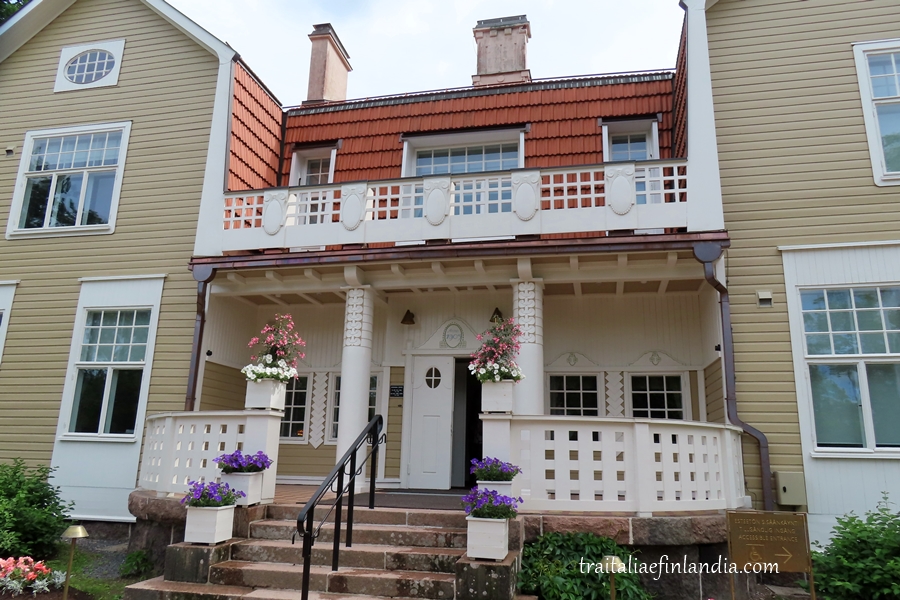
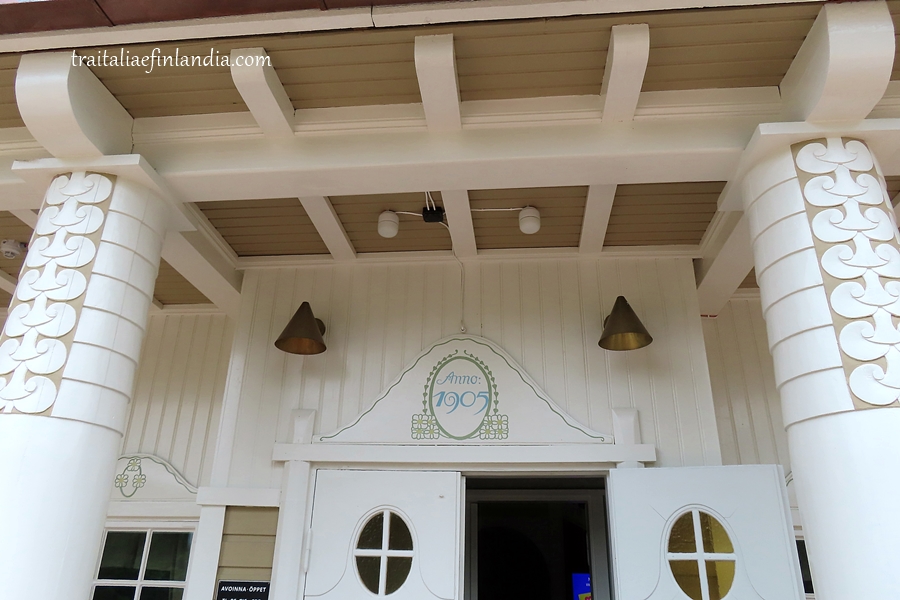
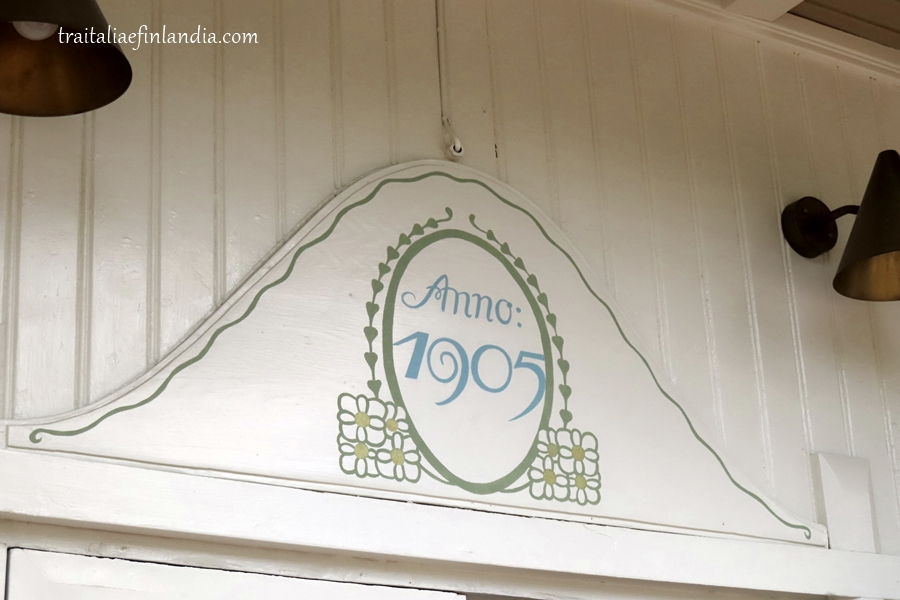
Ma la parte di storia che ci interessa maggiormente e’ quella che parte dall’anno 1905, quando i proprietari della casa diventano i signori Arvid e Emilia Sanmark, i quali decisero di restaurarla completamente ed affidarono i lavori al famoso architetto Armas Lindgren.
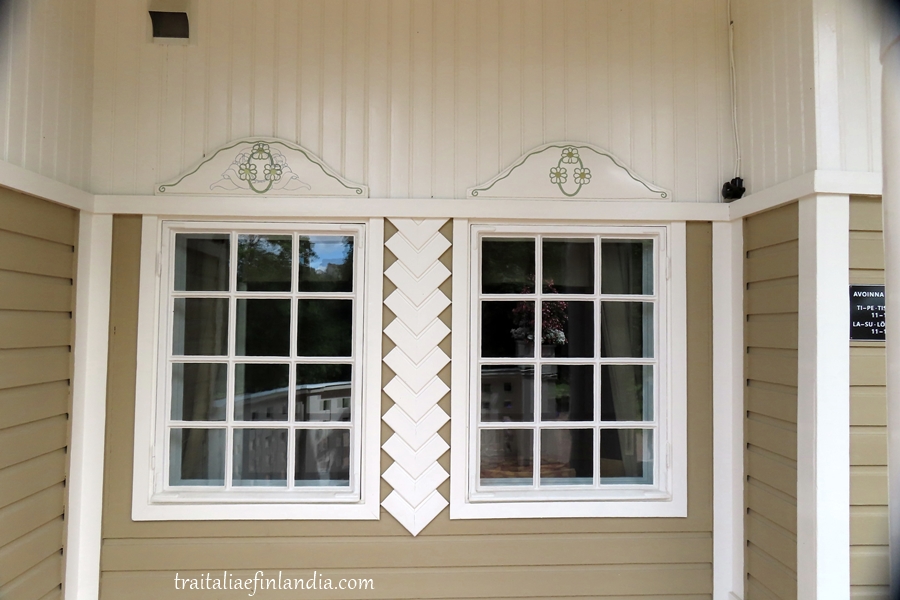
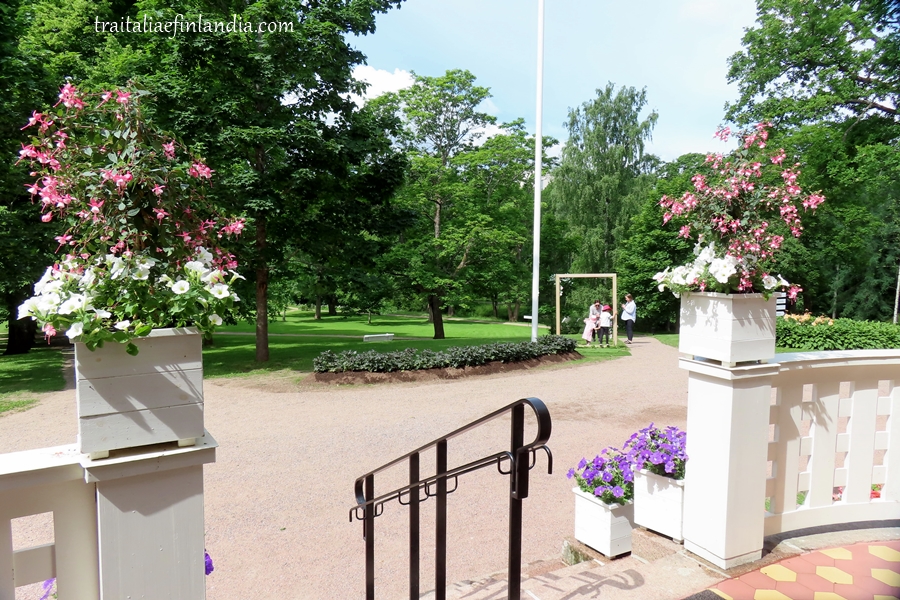
Arvid e Lilli Sanmark, convinti di dedicarsi all’agricoltura, restaurarono anche il fienile, il pollaio e gli stabulari. Il parco antistante la magione fu ampliato e arricchito di parecchi alberi e prati. Il piano del parco paesaggistico in stile inglese fu commissionato all’architetto del giardino Svante Olsson nel 1906.
Anche Per Kasten, il figlio più giovane dei Sanmark, curo’ la casa e le sue attivita’: Håkansböle divenne una grande azienda casearia. Tra le altre cose, acquisto’per gli operai una macchina per la mungitura e un nuovo trattore e fece costruire nuove abitazioni per loro e le loro famiglie. Håkansböle era una delle più grandi e sviluppate aziende agricole del sud della Finlandia. La fattoria aveva anche cavalli i cui puledri sono stati venduti alla polizia a cavallo di Helsinki.
Nelle prossime due foto: delicati decori Liberty sui muri di alcune stanze.
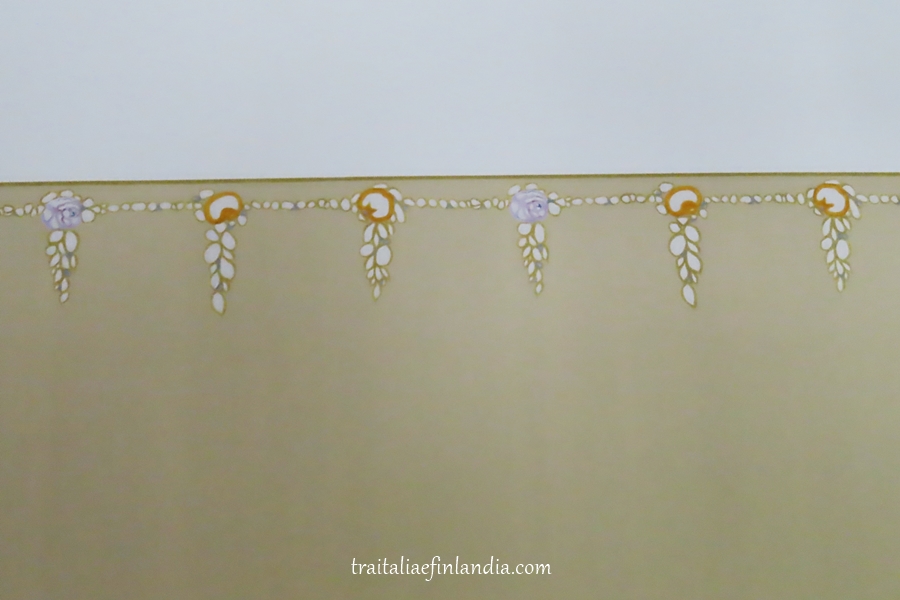
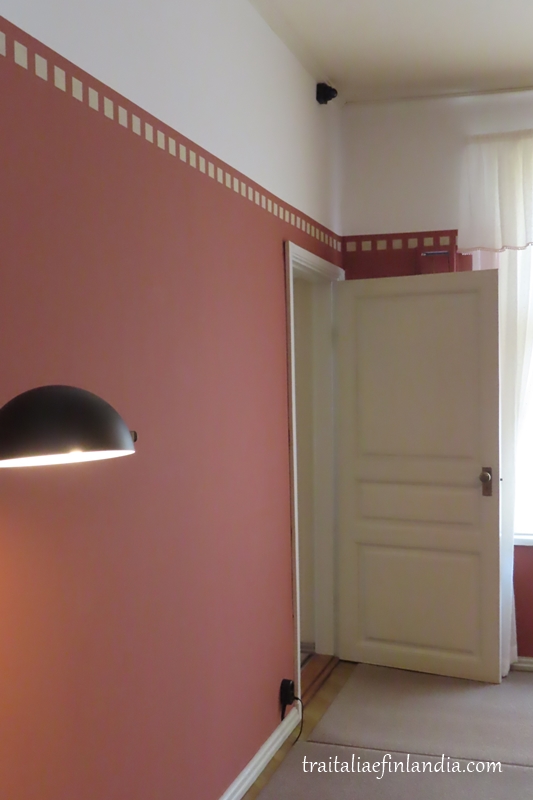
Nel 2005 la municipalita’ di Vantaa acquisto’ il maniero e gli annessi stabulari e magazzini (in tutto 8 edifici) e il parco: in tutto circa 6 ettari di terreno. A seguito di un restauro conservativo volto a preservare anche i mobili e le suppellettili della famiglia, la magione e’ stata aperta al pubblico proprio quest’anno.
Proseguiremo la nostra visita nel prossimo post e scopriremo cosa offre Håkansböle Kartano.
A Pearl of Art Nouveau #1.
“Jugendhelmi,” literally “Pearl of Art Nouveau,” is the nickname given to this manor house, which is actually called Håkansböle Kartano and is located in Vantaa, a suburb of Helsinki, not far from the international airport.
Don’t be surprised by the Swedish name: as you know, the entire coastal area of Finland is bilingual, and Finland was part of the Kingdom of Sweden until the mid-1700s.
The earliest records of the existence of an agricultural estate and a manor house date back to 1300, but only from the land registers of 1540 do we have certainty of the owner’s name: Mr. Hokon Jönsson. Over the course of their history, the estate and the house have changed owners and purposes; the 18th century in particular was a century of tribulation for these areas, as wars took place in which Sweden lost the territory of all of Finland to Tsarist Russia.
The part of history that interests us most is the one that starts in 1905, when the owners of the house became Mr. and Mrs. Arvid and Emilia Sanmark, who decided to completely restore it and entrusted the work to the famous architect Armas Lindgren.
Arvid and Lilli Sanmark, determined to dedicate themselves to farming, also renovated the barn, chicken coop, and stables . The park in front of the mansion was expanded and enriched with numerous trees and lawns. The English-style landscape park was commissioned from garden architect Svante Olsson in 1906.
Per Kasten, the Sanmarks’ youngest son, also took care of the house and its activities: Håkansböle became a large dairy farm. Among other things, he purchased a milking machine and a new tractor for the workers and built new homes for them and their families. Håkansböle was one of the largest and most developed farms in southern Finland. The farm also had horses, whose foals were sold to the Helsinki Mounted Police.
In the next two photos: delicate Art Nouveau decorations on the walls of some rooms.
In 2005 the municipality of Vantaa purchased the manor and its attached stables and warehouses (eight buildings in total), as well as the park: approximately 6 hectares of land. Following a conservative restoration aimed at preserving the family’s furniture and furnishings, the mansion was opened to the public just this year.
We will continue our visit in the next post and discover what Håkansböle Kartano has to offer.
****


Wunderschön! Prächtig!👍
"Mi piace"Piace a 1 persona
Wonderful that it has been preserved for the public. Is it still a working farm?
"Mi piace"Piace a 1 persona
C’est très sympa !
"Mi piace"Piace a 1 persona
Merci. 😊
"Mi piace""Mi piace"
It is just a museum. The fields have been sold to farmers and the villa was acquired by the municipality. Thanks. 😊
"Mi piace"Piace a 1 persona
Dankeschön! 😊
"Mi piace"Piace a 1 persona
Ich habe es auch bei mir angezeigt.
"Mi piace"Piace a 1 persona
I’ve been meant to visit this place all summer, but haven’t yet succeeded 😀 Maybe some day! It’s actually not long from where I live (too long to walk, maybe 15 km), but I can get there with one bus.
"Mi piace"Piace a 1 persona
Vraiment magnifiques ! Bonne semaine
"Mi piace"Piace a 1 persona
…“Jugendhelmi” is gorgeous! Here because of the roof lines, it would be called a dutch colonial style. Luisella, thanks for the tour.
"Mi piace"Piace a 1 persona
Mi piace
"Mi piace"Piace a 1 persona
Che meraviglia di posto e che foto splendide!
Hai descritto tutto in modo affascinante, unendo dettagli storici a una bellissima atmosfera d’altri tempi.
I decori Liberty che hai fotografato sono un vero incanto 💖
"Mi piace"Piace a 1 persona
Grazie mille Luisa. È un posto davvero elegante. 😊
"Mi piace"Piace a 1 persona
Absolutely beautiful. A real gem.
"Mi piace"Piace a 1 persona
Grazie, mi fa piacere. 😊
"Mi piace""Mi piace"
My pleasure, Tom. Thank you.
"Mi piace""Mi piace"
Merci et bonne semaine egalemént!
"Mi piace""Mi piace"
It is worthy a visit, also because there is kahvila and restaurant in the former stables. The food was good.
"Mi piace"Piace a 1 persona
Danke vielmals. 😊
"Mi piace""Mi piace"
Molto bella questa palazzina, un caro abbraccio, buona serata 🤗🤗🤗🤗👏👍👌😊😊😊
"Mi piace"Piace a 1 persona
Grazie, altrettanto a te! 👋😄
"Mi piace"Piace a 1 persona
Thank you very much. 😊
"Mi piace""Mi piace"
🤗💖🤗
"Mi piace"Piace a 1 persona
What an impressive place! It’s interesting to learn about.
"Mi piace"Piace a 1 persona
Thank you very much. 😊
"Mi piace"Piace a 1 persona
Hello,
What a beautiful estate, I would like a tour. Take care, enjoy your day and the week ahead.
"Mi piace"Piace a 1 persona
What a fascinating piece of history!
Wonderful that it’s now open to the public.
"Mi piace"Piace a 1 persona
What a wonderful place! I wouldn’t mind living there at all. Affording to — well, that is another story.
"Mi piace"Piace a 1 persona
It is indeed wonderful. Thank you so much. 😊
"Mi piace""Mi piace"
Yes. True. Thanks Veronica.
"Mi piace""Mi piace"
Thank you so much. Have a great day too!
"Mi piace"Piace a 1 persona