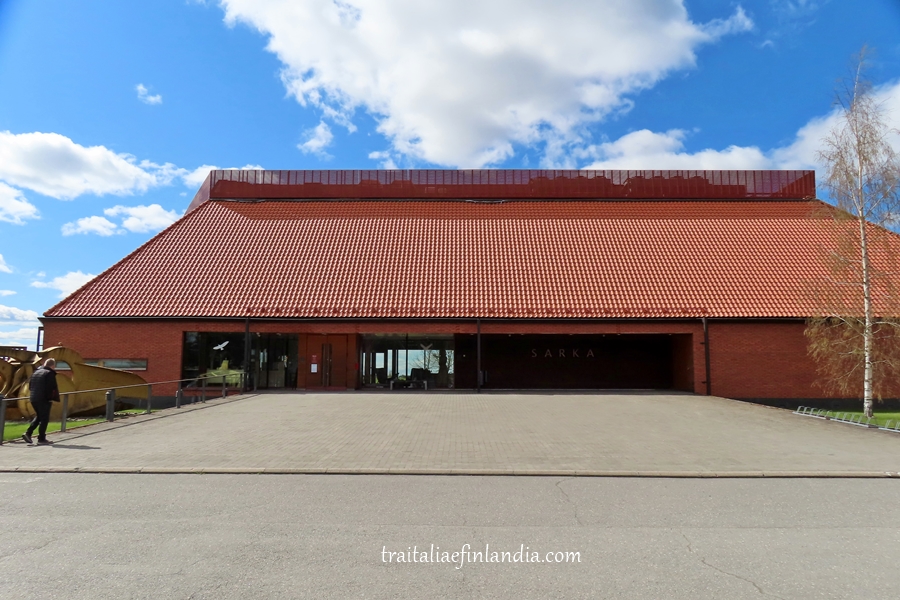
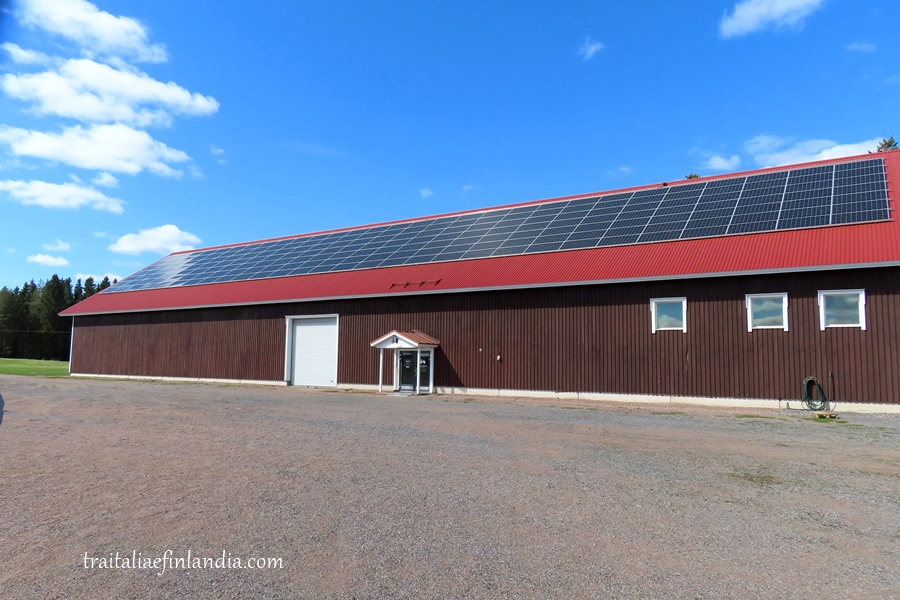
Nella cittadina di Loimaa, vicino a Somero, si puo’ visitare il museo Sarka, il museo dell’agricoltura. Strutturato in tre edifici, ben equipaggiati di pannelli solari sul tetto, il museo colleziona reperti e testimonianze riguardanti il settore primario, che, ricordiamolo, e’ il piu’ importante per la nostra sussistenza.
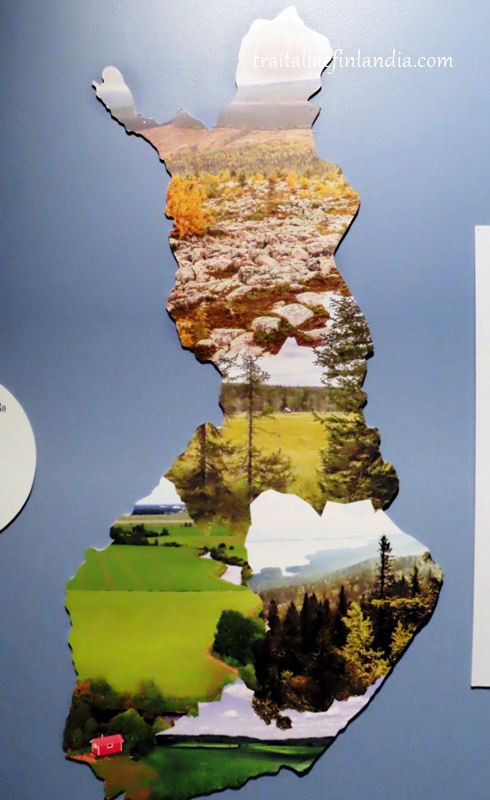
Questo pannello descrive i tipi di territorio che troviamo in Finlandia: nella zona meridionale campi e foreste, salendo verso nord sempre meno campi e piu’ foreste, nell’estremo nord non piu’ nemmeno foreste, ma tundra, paludi e terreni rocciosi.
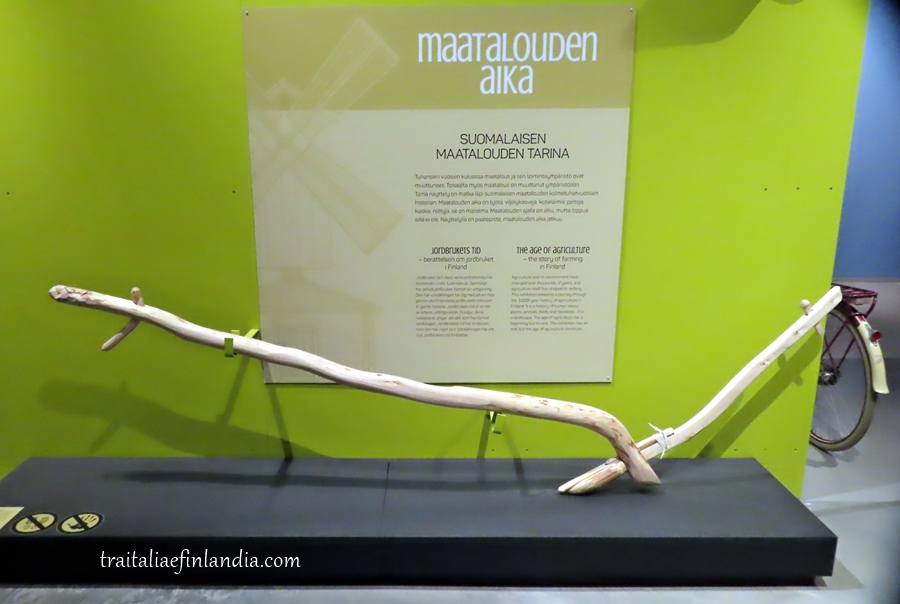
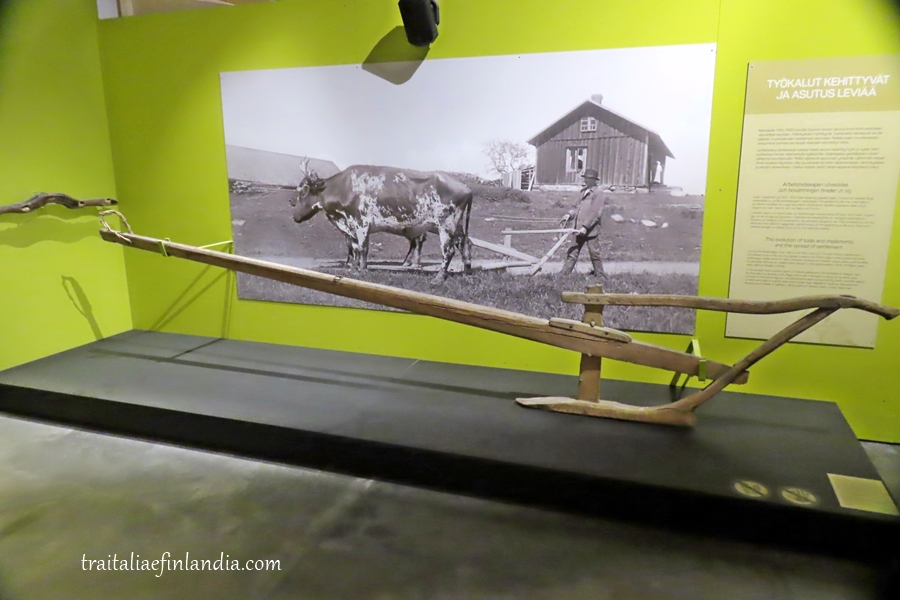
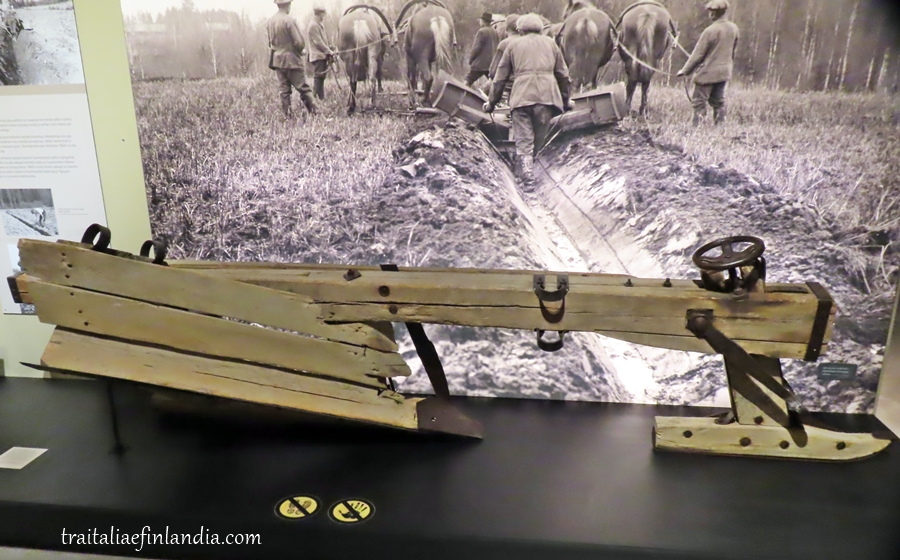
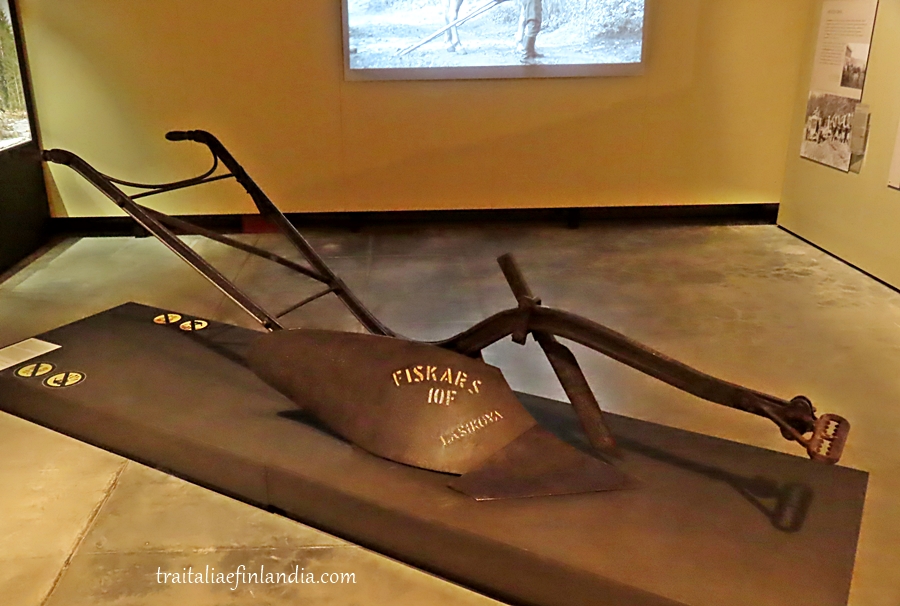
I primi attrezzi agricoli che vi propongo sono aratri: dai piu’ rudimentali ai Fiskars, prodotti a partire dal secolo XIX.
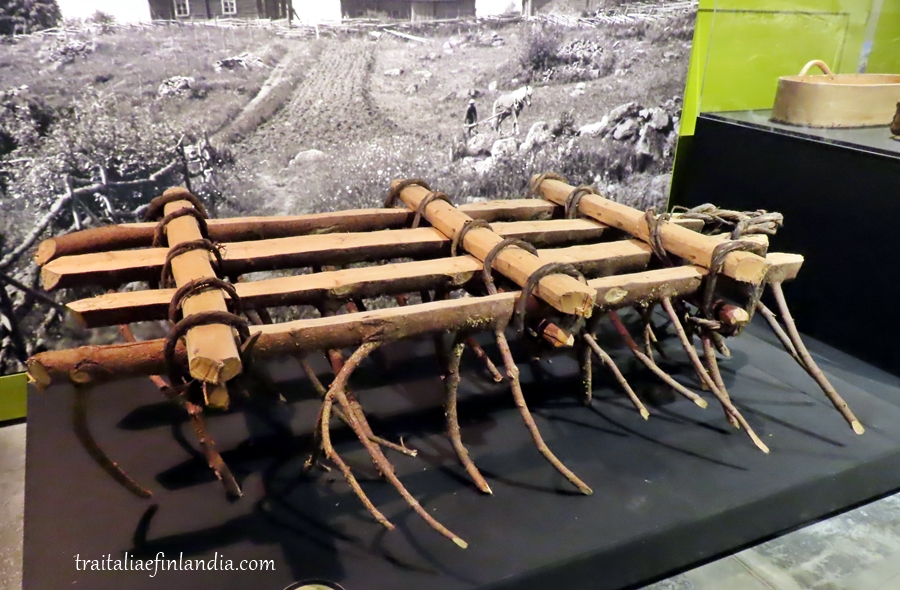
Dopo l’aratro, un semplice modello di erpice, macchinario a traino impiegato per rompere le zolle e dissodarle in vista della semina.
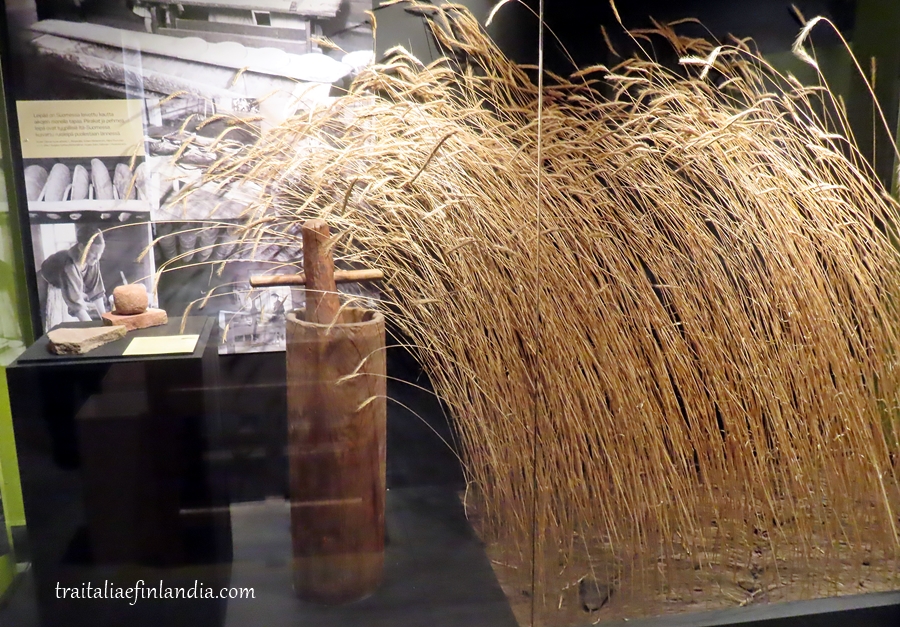
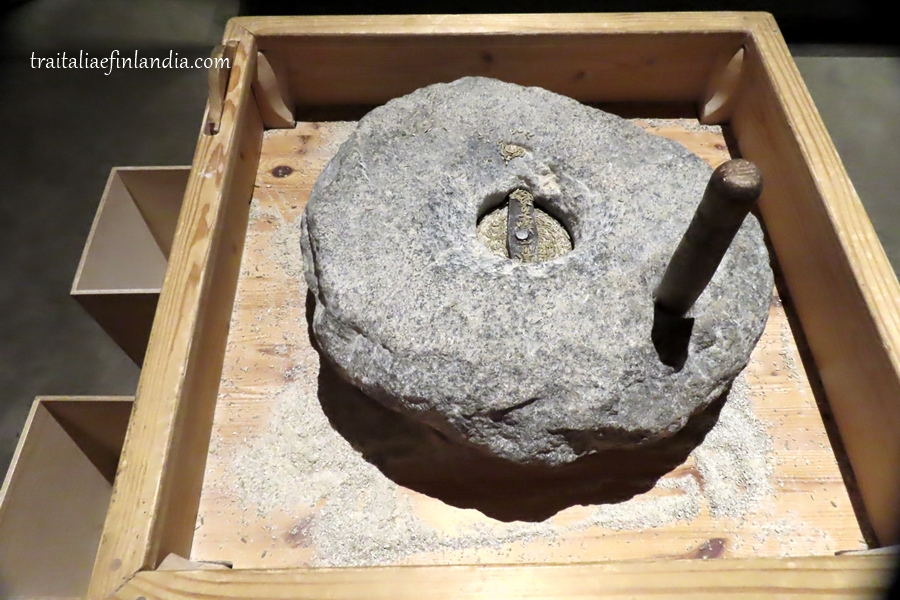
Continuiamo con due strumenti del tutto manuali che servono per ricavare la farina dai cereali per fare il pane. I cereali coltivati in Finlandia fin dalla notte dei tempi sono: frumento, farro, segale, orzo, avena. Per la precisione, la storia dell’agricoltura in Finlandia copre un periodo di 3000 anni, dai primi insediamenti umani in queste zone del mondo.

A partire dal 1460 anche in Finlandia si iniziano ad usare i mulini a vento per macinare i grani dei cereali e ricavarne la preziosa farina. Quello che vedete in questa foto e’ il modello piu’ antico di mulino: il Varvasmylly, il cui corpo poteva venire girato da un lungo braccio posizionato sul retro per mettere le pale maggiormente in favore di vento.

Questo secondo e’ modello successivo, il Harakkamylly, del quale si poteva girare solo la parte superiore (con minore sforzo), mentre nella parte inferiore era posizionata la macina.
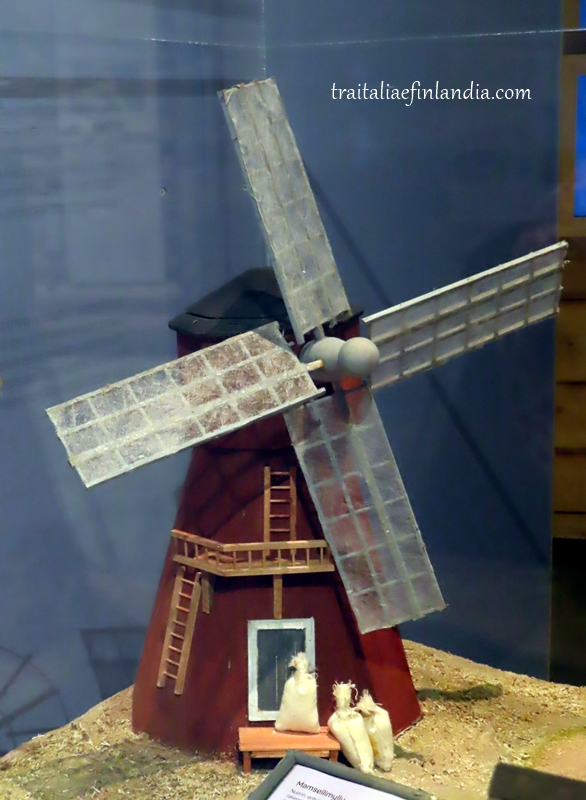
Il tipo di mulino successivo a questi fu il Mamsellimylly, dentro il quale potevano stare diverse coppie di macine.
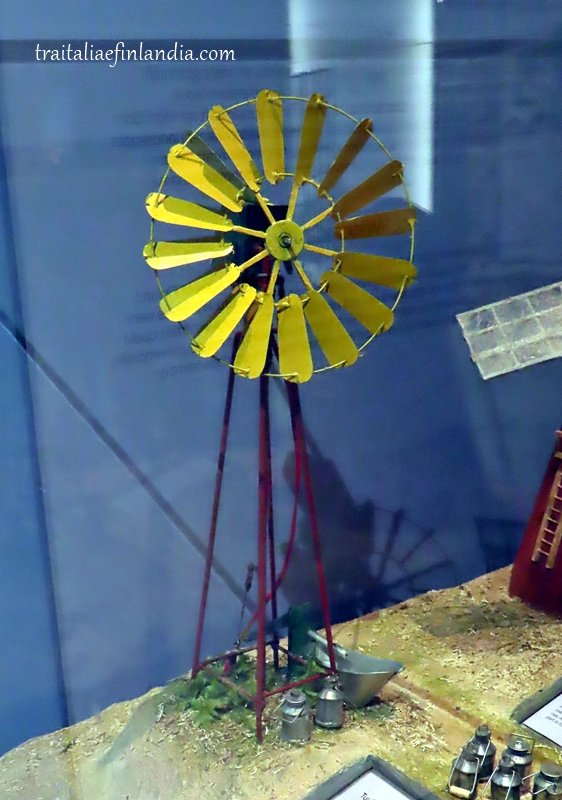
Ai primi del ‘900 dagli USA arrivo’ il mulino che per la sua struttura si orienta da solo verso il vento. E’ usato principalmente per pompare acqua.
At the Sarka Museum #1.
In the town of Loimaa, near Somero, you can visit the Sarka museum, the museum of agriculture. Structured in three buildings, well equipped with solar panels on the roof, the museum collects finds and information regarding the primary sector, which is the most important for our subsistence, let’s remember.
The above panel describes the types of terrain we find in Finland: in the southern area fields and forests, going north less and less fields and more forests, in the far north no longer even forests, but tundra, swamps and rocky terrain.
Following: the first agricultural tools I am sharing are ploughs: from the most rudimentary to the Fiskars one, produced starting from the 19th century.
After the plough, a simple model of harrow, a towed machine used to break up clods and loosen them before sowing.
We are continuing with two completely manual tools that are used to obtain flour from cereals to make bread. The cereals grown in Finland ever are: wheat, spelt, rye, barley, oats. To be precise, the history of agriculture in Finland covers a period of 3000 years, from the first human settlements in these areas of the world.
Starting in 1460, windmills began to be used in Finland to grind cereal grains and obtain precious flour. What you see in this photo is the oldest model of mill: the Varvasmylly, whose body could be turned by a long arm positioned at the back to put the blades more in favor of the wind.
This second model is a later one, the Harakkamylly, of which only the upper part could be turned (with less effort), while the millstone was positioned in the lower part.
The next type of mill to these was the Mamsellimylly, which could accommodate several pairs of millstones.
At the beginning of the 1900s from the USA arrived a windmill, which, thanks to its structure, orients itself towards the wind. It is mainly used to pump water.
****
 Tra Italia e Finlandia
Interesting post. I think the very first windmills were Persian. They were so important to the development of large scale agricultural production.
"Mi piace"Piace a 1 persona
Amazing how primitive these old tool were, and what a large effort was required to operate them.
"Mi piace"Piace a 1 persona
Merci pour cette présentation de ce musée, c’est très intéressant. Bonne journée
"Mi piace"Piace a 1 persona
Wonderful museum and interesting exhibits. Take care, enjoy your day!
"Mi piace"Piace a 1 persona
…agriculture has come a long ways!
"Mi piace"Piace a 1 persona
The American windmill is still used on the Great Plains of the American West. We see them pumping water for cattle as we travel to from the East or South to Denver, Colorado.
"Mi piace"Piace a 1 persona
Thank you very much Julia for your kind comment. 😊
"Mi piace"Piace a 1 persona
🙂
"Mi piace"Piace a 1 persona
Definitely, Tom.
"Mi piace""Mi piace"
Thank you very much Eileen. Have a good day too!
"Mi piace"Piace a 1 persona
Merci pour votre intérêt, Georges. Bonne journée!
"Mi piace"Piace a 1 persona
Absolutely. Good remarks. 😊
"Mi piace""Mi piace"
Thank you Lynette. After all agriculture is fundamental for humanity.
"Mi piace"Piace a 1 persona
I love all those windmills.
"Mi piace"Piace a 1 persona
My pleasure to share them. Thanks.
"Mi piace"Piace a 1 persona
Che bello questo museo! Visitare questi posti non solo permettere d’arricchire il proprio bagaglio culturale ma diventa anche un viaggio pieno di sorprese e curiosità, 🤩.
"Mi piace"Piace a 2 people
Hai detto bene. Si impara sempre qualcosa. Grazie mille.
"Mi piace"Piace a 1 persona
Di nulla, 🤗🤗🤗.
"Mi piace""Mi piace"