**for English please scroll down**

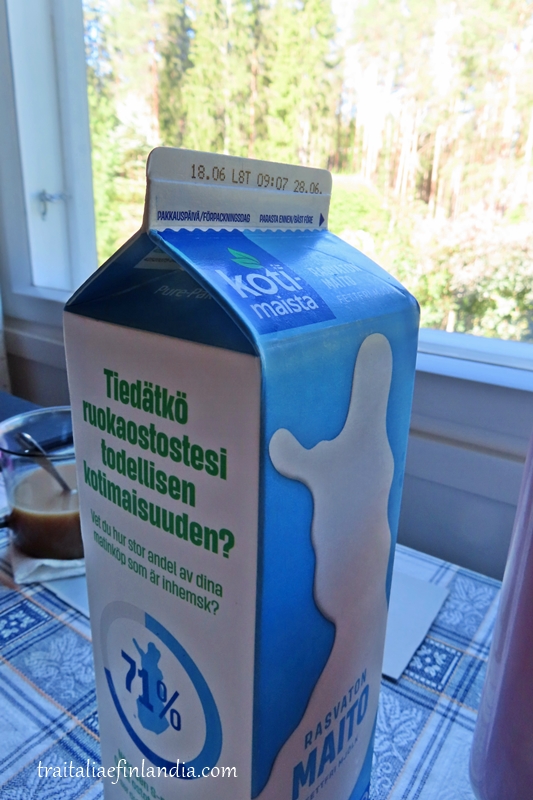
Ha suscitato non poche polemiche in Italia la direttiva UE che prevede il tappo delle bottiglie in plastica non piu’ staccato dalle bottiglie stesse. Ho pensato quindi di presentare il sistema pratico e intelligente che usiamo in Finlandia da sempre per i contenitori del latte.
Le bevande che non prevedono lunga conservazione, ad esempio il latte fresco che deve essere consumato entro qualche giorno, vengono confezionate in contenitori interamente fatti in carta (dunque senza alluminio) e con un’apertura che non prevede tappo.
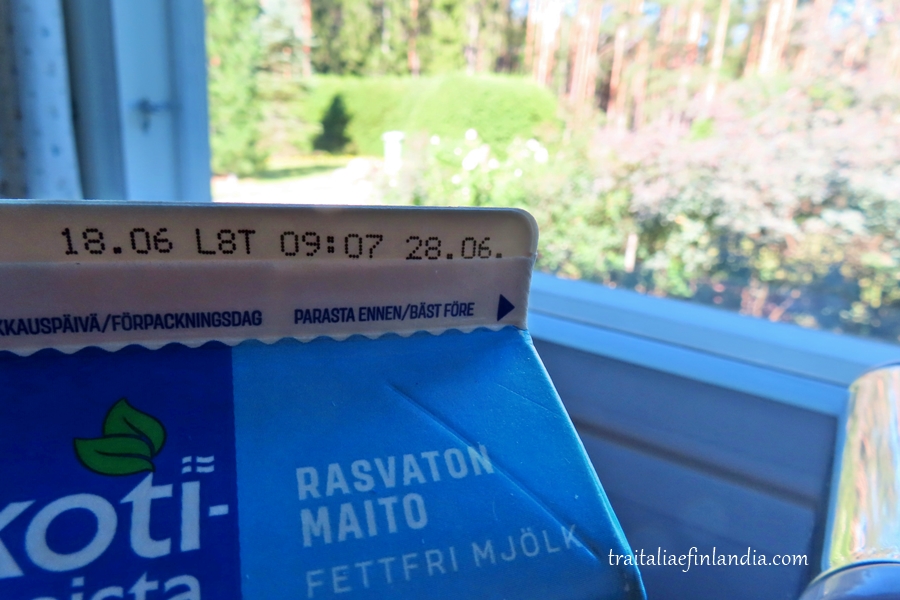

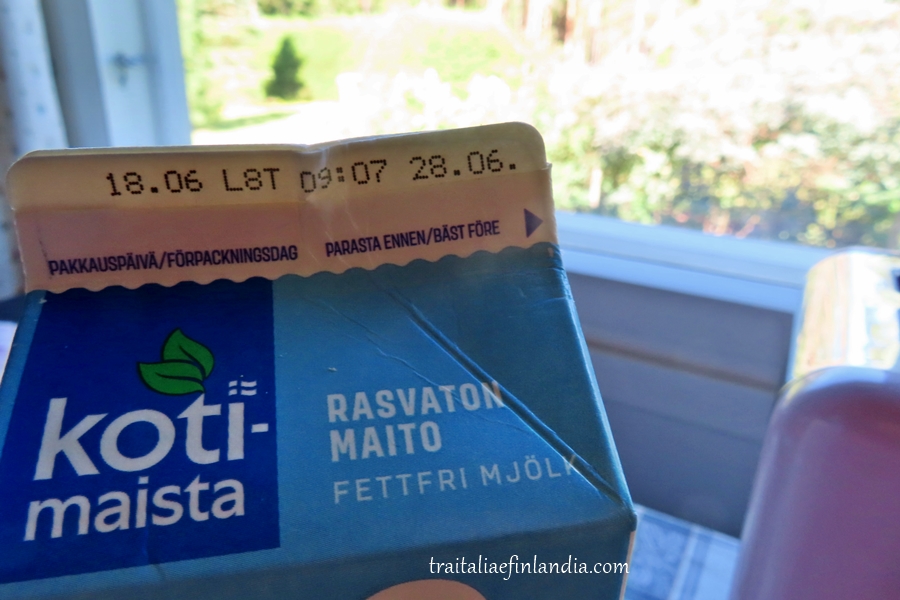

Come evidenziato nelle foto, basta aprire premendo il contenitore dove suggerito dalla freccetta e richiuderlo nello stesso modo. Cosi’ non c’e’ spreco e non c’e’ plastica. Inoltre, neppure nelle famiglie sempre di corsa o distratte, o in quelle con tanti bimbi a cui dare la colazione, ci sara’ pericolo di smarrire/ingoiare il tappo.
Fra l’altro, il tappo attaccato alla bottiglia di plastica secondo me e’ molto comodo: ricordo una volta in cui durante un volo aereo mi cadde e fu impossibile riprenderlo, per cui bevvi tutta l’acqua in tempi brevi per non rimanere con la bottiglia aperta per tutto il viaggio.
Comunque per noi camminatori niente di nuovo: le borracce da trekking hanno il tappo attaccato.
La direttiva UE naturalmente e’ solo un incoraggiamento a non abbandonare la plastica nell’ambiente. Qualcuno dira’ che comunque chi lo ha sempre fatto, lo fara’ ancora, ma l’insegnamento e l’esempio del corretto comportamento deve venire dalla famiglia, prima di tutto e poi dalla scuola: se manca questo a monte, non c’e’ direttiva UE che tenga! Comunque e’ piu’ facile recuperare il tappo se e’ attaccato alla bottiglia: e’ gia’ un passo avanti.
Come ci dice anche Gian Antonio Stella sul Corriere: https://www.corriere.it/opinioni/24_maggio_28/tappi-di-plastica-e-spiritosaggini-08e2c8dc-0cee-417d-abfb-8b865f7c9xlk.shtml
A Clever System.
The European Union directive that requires the cap of plastic bottles to no longer be detached from the bottles has caused quite a bit of controversy in Italy. I therefore thought of presenting the practical and intelligent system that we have always used in Finland for milk containers.
Drinks that do not have a long shelf life, for example fresh milk that must be consumed within a few days, are packaged in containers made entirely of paper (therefore without aluminum) and with an opening that does not require a cap.
As shown in my photos, just open by pressing the container where the arrow suggests and close it in the same way. So there is no waste and no plastic. Furthermore, even in families who are always in a hurry or distracted, or in those with many children to give breakfast to, there will be no risk of losing/swallowing the cap.
Among other things, the cap tethered to the plastic bottle is very convenient in my opinion: I remember once when during a flight it fell off and it was impossible to get it back, so I drank all the water reasonably quickly so as not to be left with the open bottle for the whole trip.
The EU directive is obviously only an encouragement not to throw plastic in the environment. Some will say that those who have always done it, will do it again, but the teaching and example of correct behavior must come from the family, first of all and then from school: if this is missing from the start, there is no EU directive that can help!
However, it is easier to recover the cork if it is tethered to the bottle: this is already a step forward.
How does it work in your countries, dear readers?
****
 Tra Italia e Finlandia
All our milk and most juice containers look like yours – paper with a spout that folds out from the container itself. We don’t have many liquids in containers with plastic caps but you can find plastic bottles with plastic caps for some kinds of juice. I would like to see all of these plastics eliminated entirely.
"Mi piace"Piace a 1 persona
Thanks for your information. I am glad to hear how it works in other countries. I would like to see the useless plastics eliminated too.
"Mi piace"Piace a 1 persona
Da noi fanno così i contenitori della panna, che di solito si svuotano tutti in una volta.
"Mi piace"Piace a 1 persona
…here, paper milk cartons have been replaced with plastic.😢
"Mi piace"Piace a 1 persona
“containers made entirely of paper” – impossible. You cannot keep milk, or any other liquid, in a paper container longer than for a few minutes. Your milk containers must be lined inside with something waterproof, if not aluminium then possibly a layer of plastic, or suchlike
"Mi piace"Piace a 1 persona
Per un periodo anche da noi c’erano quei contenitori per il latte, forse ci sono ancora, ma di sicuro meno utilizzati.
Buona giornata, cara Luisella 🌈😊
"Mi piace"Piace a 1 persona
Most people need a bit of time to adapt to change. The less plastic the better!
"Mi piace"Piace a 1 persona
Canadian milk and juice containers look like yours, however you get bigger milk quantities also sold in 3-pack plastic bags and juices in plastic bottles or metall,containers…. a litte bit of everything, as you can see. During my last trip to Europe I had my first encounters with these new plastic caps and I was frantically trying to get the top off, I nearly spilled my juice🙂. It is a bit a pain in the a** to close the bottle again, or let‘s put it this way: you have to get used to it.
"Mi piace"Piace a 1 persona
Mi puoi confermare o smentire questa notizia ?
🇫🇮🌐❌🇷🇺 Finnish economics professor, Tuomas Malinen, on X:
I’ve received credible reports, from Finnish sources, indicating that if the NATO/Ukraine escalation comes, it will involve northern Finland in some way. Preparations, at least, seem to have been underway.
And I re-iterate. ALL my military contacts tell that our military is preparing for a war.
From a defence perspective, this makes no sense, because it has been reported that Russian bases near the Finnish border have been almost emptied (to Ukraine). Something is up.
🔗 Tuomas Malinen
"Mi piace"Piace a 1 persona
We need to eliminate plastic entirely, I know it won’t happen in my lifetime, but it needs to happen!
"Mi piace"Piace a 1 persona
Purtroppo non ho informazioni. Leggo solo i giornali e su questo non c’è nulla. Sembra che le basi russe siano sguarnite al momento…
"Mi piace"Piace a 1 persona
Grazie! ♥️
"Mi piace"Piace a 1 persona
Di recente leggevo (non ricordo dove) che una volta la linguetta delle lattine si staccava, ma col tempo la gente si è abituata a bere dalle lattine in cui la linguetta rimane attaccata (che sono quelle che vediamo tutti i giorni). Per quanto scomodi (ma nemmeno tanto), ci abitueremo a bere anche con un tappo attaccato alla bottiglia.
"Mi piace"Piace a 1 persona
Ma certo! Non ricordavo le lattine…hai ragione. Grazie per avermele ricordate.
"Mi piace"Piace a 1 persona
Secondo me è disinformazione.
"Mi piace"Piace a 1 persona
Agreed. It needs to happen!
"Mi piace"Piace a 1 persona
Io non le ho mai vissute, ma cercando on line la situazione mi sembra effettivamente simile ai tappi.
"Mi piace"Piace a 1 persona
Yes, you have to get used to it. 😄😄 Thanks for sharing your info.
"Mi piace""Mi piace"
Right. 😊
"Mi piace"Piace a 1 persona
Buona serata e grazie, cara Valeria! 😊
"Mi piace"Piace a 1 persona
You are right, as usual. 😉 The middle layer (between two of pressed paper pulp) is made of ‘pine oil’, a wood fiber, equally from trees.
"Mi piace""Mi piace"
Anche io penso che è una fake…
"Mi piace"Piace a 1 persona
Hopefully they recycle it, after people’s use.
"Mi piace""Mi piace"
Grazie Raffa. 😊
"Mi piace"Piace a 1 persona
Gli avranno hackerato il profilo…
"Mi piace"Piace a 1 persona
Si, proprio così. 😊 Caspita, però…come si dimenticano le cose vecchie, quando ci si abitua alle nuove!
"Mi piace"Piace a 1 persona
Ma… Tuomas Malinen è un esperto di geopolitica..https://x.com/mtmalinen?t=ihyhXo1SENTHR9LTPvtjPg&s=09
"Mi piace"Piace a 1 persona
Ho capito… grazie
"Mi piace"Piace a 1 persona
Non saprei. Non so chi sia.
"Mi piace"Piace a 1 persona
Pratico e intelligente.
"Mi piace"Piace a 1 persona
mi pare che anche qui ci fossero i contenitori del latte fatti così, ora sono anni che non bevo latte per cui non saprei se ci sono ancora, riguardo le bottiglie, sì, sono fastidiosi i tappi attaccati, utili in qualche circostanza come quelle che hai citato, sta di fatto che i maleducati buttano l’intera bottiglia a terra, tappo o non tappo. Bisognerebbe che tutti avessero rispetto per l’ambiente, cosa non sempre scontata, visto quello che c’è in giro, almeno qui in Italia…👍👍👍👍👍👍😊😉
"Mi piace"Piace a 1 persona
Qualche tempo fa i contenitori di latte fresco da mezzo litro di una nota marca erano fatti così, come quello che mostri nella foto. Ammetto di non aver mai capito bene come aprirli, e a volte ho fatto qualche pasticcio! Ma li apprezzavo.
Ora il problema secondo me è un altro, sta diventando difficile trovare il latte fresco, punto, che sia in plastica o nei cartoni. Da mezzo litro è proprio rarissimo, ma anche da un litro: l’offerta nei supermercati è limitatissima. Al suo posto nel banco frigo ci sono dei tipi di latte che in realtà non sono vero latte fresco, come tradisce la data di scadenza sempre più lontana.
"Mi piace"Piace a 2 people
Qui invece si beve praticamente solo latte fresco. Quello UHT è venduto in quantità minime. Credo sia una questione di tradizione, o abitudini dei consumatori. Grazie per l’informazione. 😊
"Mi piace"Piace a 1 persona
Come ho detto, l’abitudine a non insudiciare l’ambiente va data ai bambini in famiglia, prima di tutto. E soprattutto l’esempio!
"Mi piace"Piace a 1 persona
Grazie. 😊
"Mi piace"Piace a 1 persona
Quello UHT, proprio fuori dal banco frigo, è un discorso a parte… Qui penso sia il tipo di latte più consumato… Ma io nel commento mi riferivo ad un latte che si vende nel banco frigo, seppure non sia chiamato latte fresco, molte persone sicuramente sono indotte in errore. La sigla di questi latti è “ESL”. Non mi sono ancora informata, ma deve trattarsi di qualche nuovo tipo di trattamento. La scadenza è inferiore al latte UHT, ma decisamente superiore al latte fresco.
"Mi piace"Piace a 1 persona
Allora non lo conosco proprio. Vedrò di cercarlo se qui c’è. 😊
"Mi piace"Piace a 1 persona
Fammi sapere. Io comunque preferisco il vero latte fresco 🙂
"Mi piace"Piace a 1 persona
Anche qui lo abbiamo così senza plastica
"Mi piace"Piace a 1 persona
Benissimo. 😊
"Mi piace""Mi piace"
These were the only milk containers I knew growing up. I’m not that old but it seems like a piece of ancient history. My own children would have no idea of how to open a paper container as they all seem to come with screw lids added to the top.
"Mi piace"Piace a 1 persona
If the screw lids are made of plant-based plastics, it can still be not so bad…
"Mi piace"Piace a 1 persona
Se non sbaglio anche in Italia c’erano contenitori siffatti. Ma forse mi sbaglio. Concordo con te. Più carta meno plastica. Buona serata cara 💗
"Mi piace"Piace a 1 persona
Grazie mille. 👋😊 Anche a te!
"Mi piace"Piace a 1 persona