*please scroll fully down to find text in English*
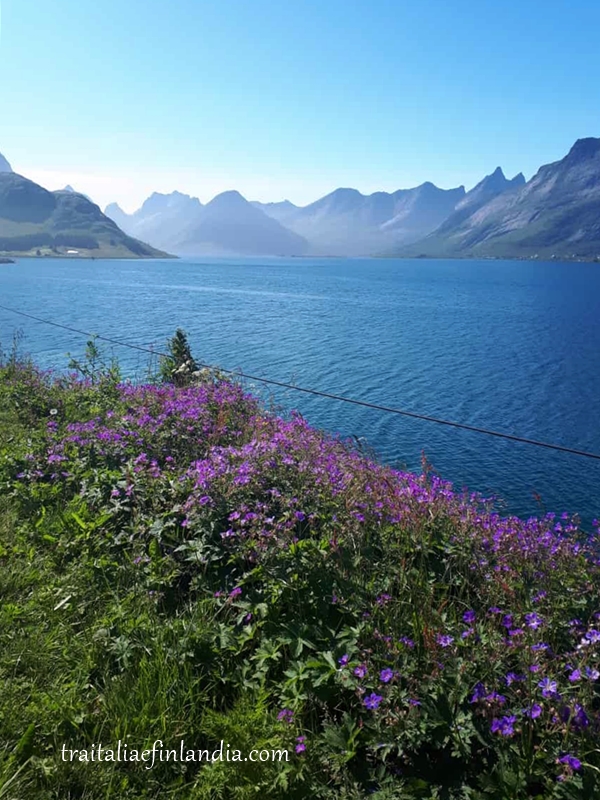
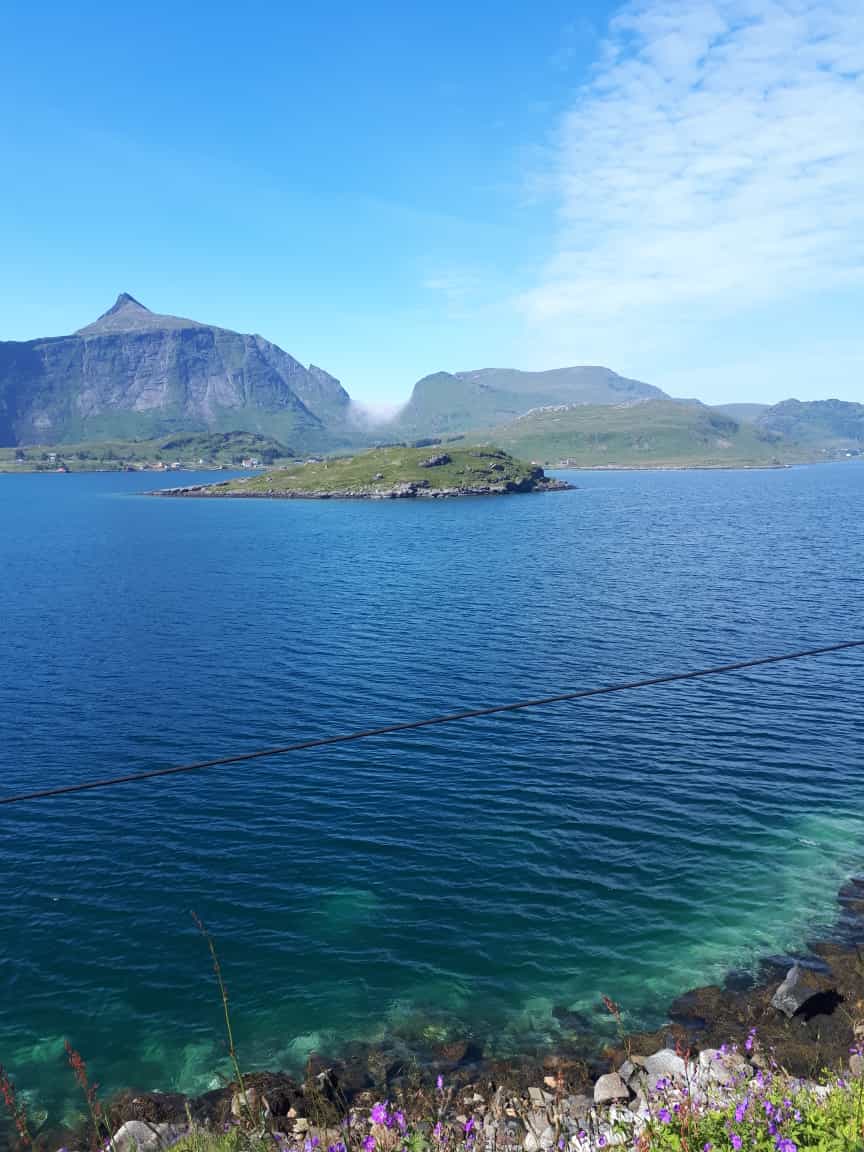

Le isole Lofoten sono poco abitate: su una superficie totale di 1200km quadrati si trovano solo 24000 abitanti circa, però, forti della loro fama e delle loro bellezze, le Lofoten attraggono un milione di visitatori l’anno.
I capoluoghi sono pochi, si tratta di piccole cittadine spesso sulla costa, poichè gran parte dell’entroterra delle isole è occupato da alte vette. Le attività svolte in questo arcipelago sono essenzialmente l’agricoltura e la pesca, in particolare la pesca al merluzzo.


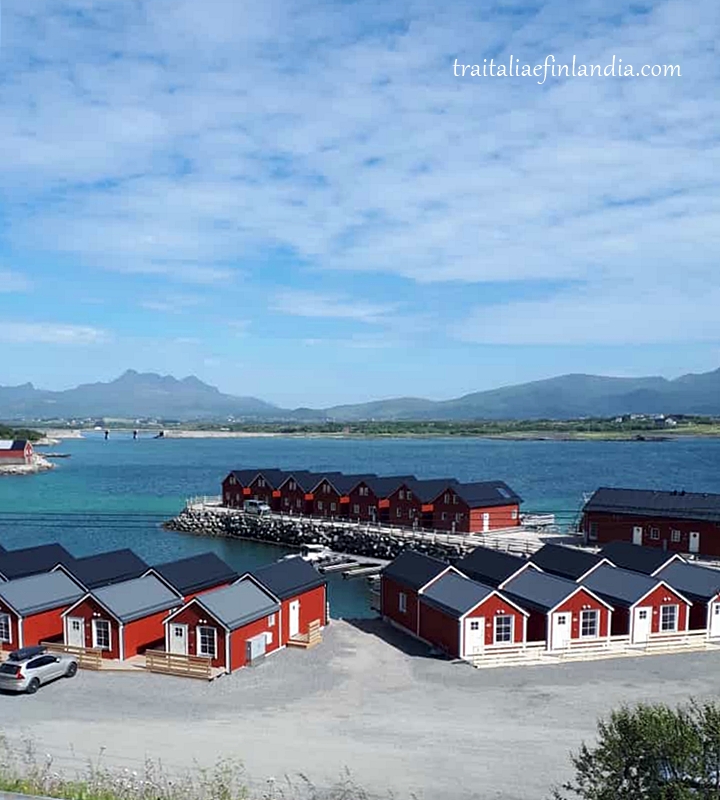
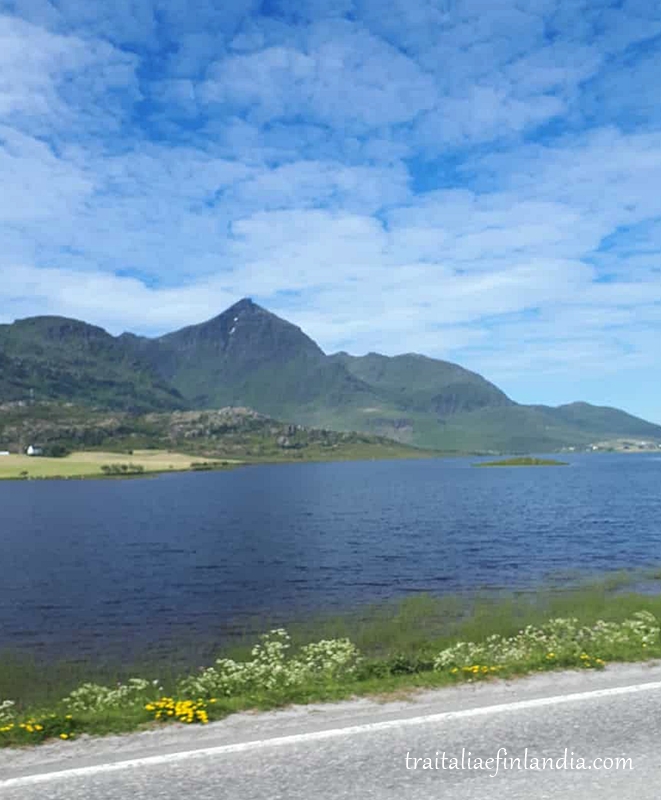
Come si può facilmente immaginare, queste isole rappresentano un paradiso per la fauna selvatica, in particolare per gli uccelli da scogliera. Il clima è meno freddo che in Finlandia, trovandosi sull’oceano, ma vi sono mareggiate, tempeste e vento. la pioggia è più comune della neve permanente in inverno. Famosi sono infatti alcuni fiordi e insenature dove il mare non ghiaccia mai; questi hanno svolto un ruolo importante ad esempio durante la II guerra mondiale.

Anche per lo sport queste isole rappresentano un paradiso: dalla roccia al ciclismo al surf, al birdwatching… naturalmente. Le Lofoten sono collegate tra di loro tramite una serie di ponti slanciati e panoramici, tunnel terrestri e sottomarini. Sono collegate alla terraferma dalla strada E10.
Lofoten (part 2).
The Lofoten Islands are sparsely inhabited: on a total surface area of 1200km2 there are only around 24,000 inhabitants, however, thanks to their fame and their beauty, the Lofoten Islands attract a million visitors a year.
There are few main towns, there are mostly small towns often on the coast, as much of the islands’ hinterland is occupied by high peaks. The activities carried out in this archipelago are essentially agriculture and fishing, particularly cod fishing.
As you might imagine, these islands are a haven for wildlife, particularly reef birds. The climate is less cold than in Finland, being on the ocean, but there are high waves, storms and wind. Rain is more common than permanent snow in winter. In fact, some fjords and inlets where the sea never freezes are famous; these played an important role for example during World War II.
These islands also represent a paradise for sport: from rock climbing to cycling to surfing, to birdwatching… of course. Lofoten are connected to each other via a series of soaring and scenic bridges, land and underwater tunnels. They are connected to the mainland by the E10 road.
****
 Tra Italia e Finlandia
So beautiful photos! I have never been in Lofoten, but now after seeing your photos, I want to travel there 😊
"Mi piace"Piace a 1 persona
💙
"Mi piace""Mi piace"
Très beau !
"Mi piace"Piace a 1 persona
Beautiful photos of a beautiful area!
"Mi piace"Piace a 1 persona
Thank you.
"Mi piace"Piace a 1 persona
Merci et bonne journée, Sylvie. 😊
"Mi piace"Piace a 1 persona
Proprio un paradiso!
"Mi piace"Piace a 1 persona
I have visited North Norway 🇳🇴 and I liked the area. 😊
"Mi piace"Piace a 1 persona
C’est beau !
"Mi piace"Piace a 1 persona
Oui, tres beau…😉👍👍
"Mi piace""Mi piace"
Di certo luoghi unici…😊
"Mi piace"Piace a 1 persona
Bellissimo questo articolo è molto belle queste foto
"Mi piace"Piace a 1 persona
Merci, c’est tout à fait splendides ces paysages . Bonne journée
"Mi piace"Piace a 1 persona
Spettacolare veramente
"Mi piace"Piace a 1 persona
Many thanks for sharing these nice impressions of the Lofoten.
"Mi piace""Mi piace"
Wonderful to view.
"Mi piace"Piace a 1 persona
It is a beautiful place to visit, gorgeous scenery! I would love to go birdwatching there!
Take care, have a great day!
"Mi piace"Piace a 1 persona
…the Lofoten Islands certainly are beautiful. The little red cottages are lovely. Take care and enjoy your day.
"Mi piace"Piace a 1 persona
Un’altra serie di immagini favolose! 💗
"Mi piace"Piace a 1 persona
Che foto 📷 stupende, Luisella, grazie, buona giornata 🌈
"Mi piace"Piace a 1 persona
È molto bello vedere le Lofoten con il cielo azzurro, come nelle tue bellissime foto.
"Mi piace"Piace a 1 persona
Il y a vraiment des endroits charmants.Merci Luisella de me faire voyager.
"Mi piace"Piace a 1 persona
Merci pour ton aimable appréciation. C’est avec plaisir que je partage ce post. 😊
"Mi piace"Piace a 1 persona
Grazie mille Egidio. 😊
"Mi piace"Piace a 1 persona
Grazie a te, Valeria e buona serata! 👋🌛
"Mi piace"Piace a 1 persona
Sono proprio bei posti. Grazie Luisa.
"Mi piace"Piace a 1 persona
Thanks. Your kind comment makes me happy.
"Mi piace""Mi piace"
Me too…I would go birdwatching there! Well said! Thanks and all the best.
"Mi piace"Piace a 1 persona
Yes…unique. 😊
"Mi piace"Piace a 1 persona
Thank you Rudi. 😊
"Mi piace"Piace a 1 persona
Spettacolare è la parola giusta. Grazie mille!
"Mi piace""Mi piace"
Merci Georges et bonne soirée!
"Mi piace""Mi piace"
Mille grazie. 😊
"Mi piace"Piace a 1 persona
So beautiful
"Mi piace"Piace a 1 persona
bellissime foto…
pura meraviglia il colore dell’ acqua…
buona notte cara Luisella… 🌝🌟
"Mi piace"Piace a 1 persona
Ciao io sono Marcello e se ti interessa io ho creato un blog sulle notizie e il link è ilgazzettinodelluniverso.wordpress.com
"Mi piace"Piace a 1 persona
Grazie e buongiorno a te, mia cara. 🌞👋
"Mi piace"Piace a 1 persona
I agree with you. 😊
"Mi piace""Mi piace"
quanta bellezza!
"Mi piace"Piace a 1 persona
Davvero… grazie, Olga.
"Mi piace""Mi piace"
Ti auguro una felice giornata, cara Luisella 🙏❣️🙏
"Mi piace"Piace a 1 persona
Altrettanto, grazie mille! 🌷
"Mi piace"Piace a 1 persona
wonderful! would be nice to visit.
"Mi piace"Piace a 1 persona
A unique place. Thank you Klara.
"Mi piace""Mi piace"
Stunning photos!
I’ve never visited Lofoten, but your images have ignited a desire to explore that place.
Hugs and blessings, Luisella
"Mi piace"Piace a 1 persona
Hugs and blessings to you too, thanks!
"Mi piace""Mi piace"
Superb photos of a beautiful area! beautiful area ..
Bravo
"Mi piace"Piace a 1 persona
oups
Superb photos of a beautiful area!
Bravo
"Mi piace"Piace a 1 persona
Thank you so much.
"Mi piace""Mi piace"